Bag Materials & Customization
Non-Woven Bags vs. Paper Bags: Which Is Right for Retailers?
Compare non-woven bags and paper bags for retail use. Explore their differences in presentation, durability, moisture resistance, and brand visibility to choose the right packaging.
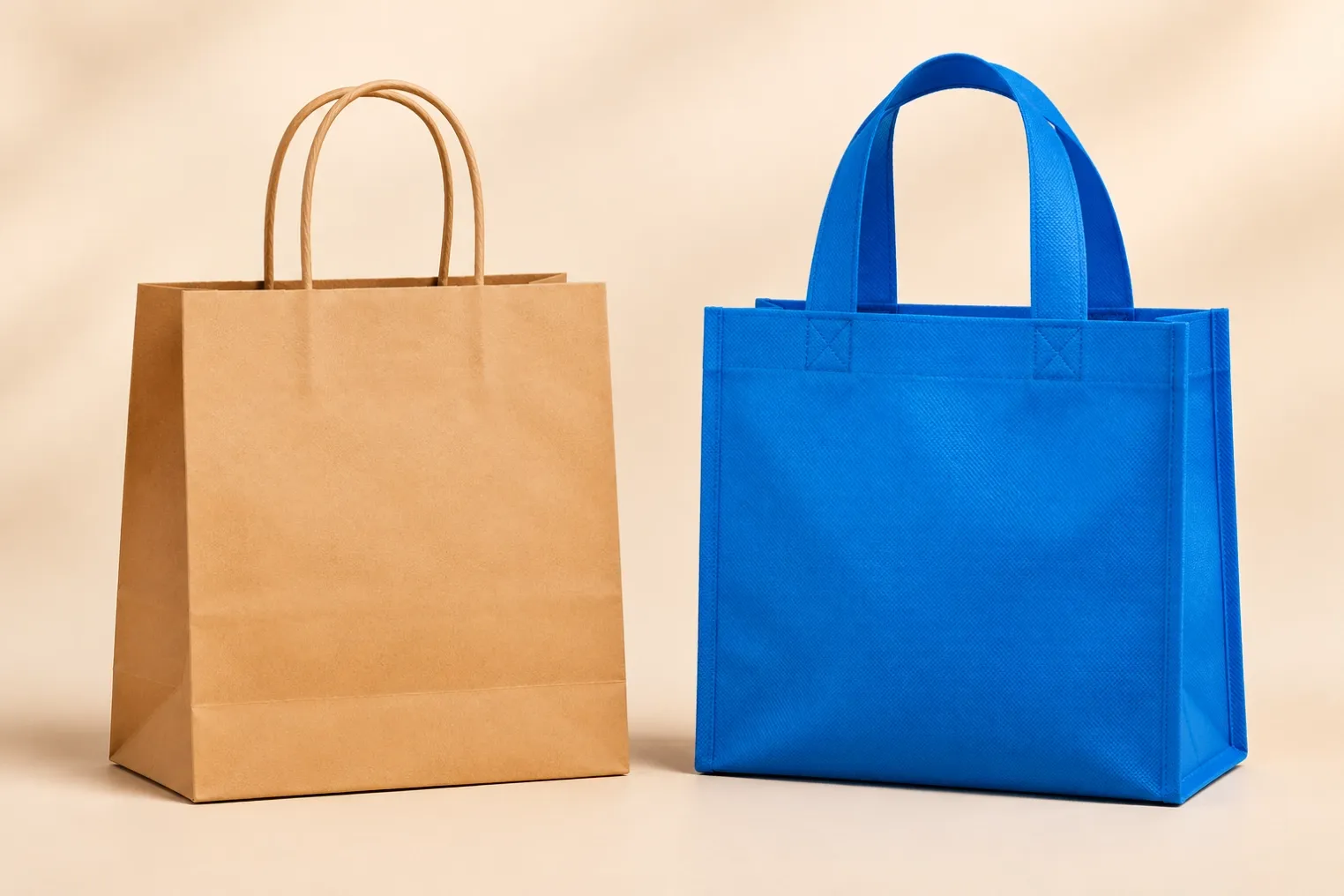
In today's competitive retail landscape, every touchpoint with your customer is a marketing opportunity. Packaging, once a simple container, has become an important part of the brand experience.
For B2B buyers, choosing between Paper Bags and Non-Woven Bags is no longer just about the initial cost. It is a decision that can affect brand presentation, product protection, customer experience, and long-term brand visibility.
As a manufacturer of both paper and non-woven bags, SHOPPING BAG CO. understands the practical differences between these two packaging options. While paper bags offer an appealing presentation for specific applications, non-woven bags provide additional durability and reuse potential for brands looking for longer-lasting packaging.
Let's compare their advantages and applications to help you make the right choice.
The Appeal of Paper Bags: Where Elegance Meets Convenience
Paper Bags remain a popular choice for retailers, particularly when presentation and a classic shopping experience are important.
They work especially well in the following applications:
- Premium Gifting & Boutiques: For fashion stores, jewelry shops, and gift retailers, a well-designed paper bag with custom printing creates an elegant and professional presentation.
- Takeaway & Bakery Packaging: Paper bags are practical for carrying dry food, pastries, and takeaway orders, making them a common choice for bakeries and food retailers.
- Recyclability: Many paper bags can be recycled or biodegraded under suitable conditions, depending on their coatings, inks, handles, and local waste management facilities.
The Consideration: Durability and Reuse
Although paper bags offer excellent presentation, their durability can be limited by moisture, heavy loads, and repeated handling.
They are often best suited to shopping trips, gifting, and short-term packaging needs rather than repeated heavy-duty use.
Non-Woven Bags: A Reusable Option for Long-Term Brand Visibility
This is where Non-Woven Polypropylene Bags offer a different advantage. Their lightweight construction, flexibility, and potential for repeated use make them a practical option for retail and promotional applications.
1. Durability and Practical Performance
Compared with standard paper bags, non-woven bags generally offer better resistance to tearing during repeated handling.
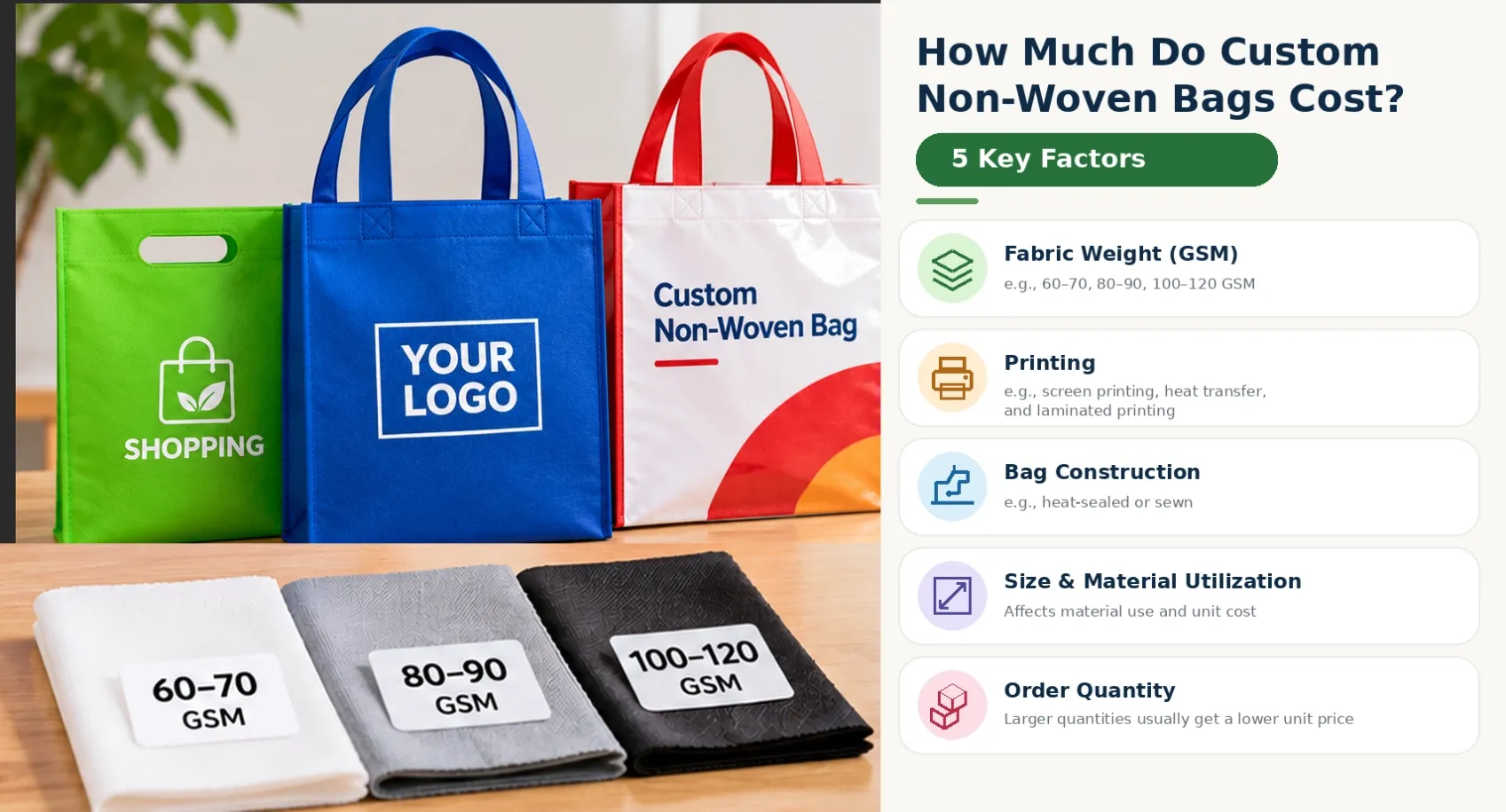
Their performance depends on the selected fabric weight (GSM), bag dimensions, construction, and handle attachment.
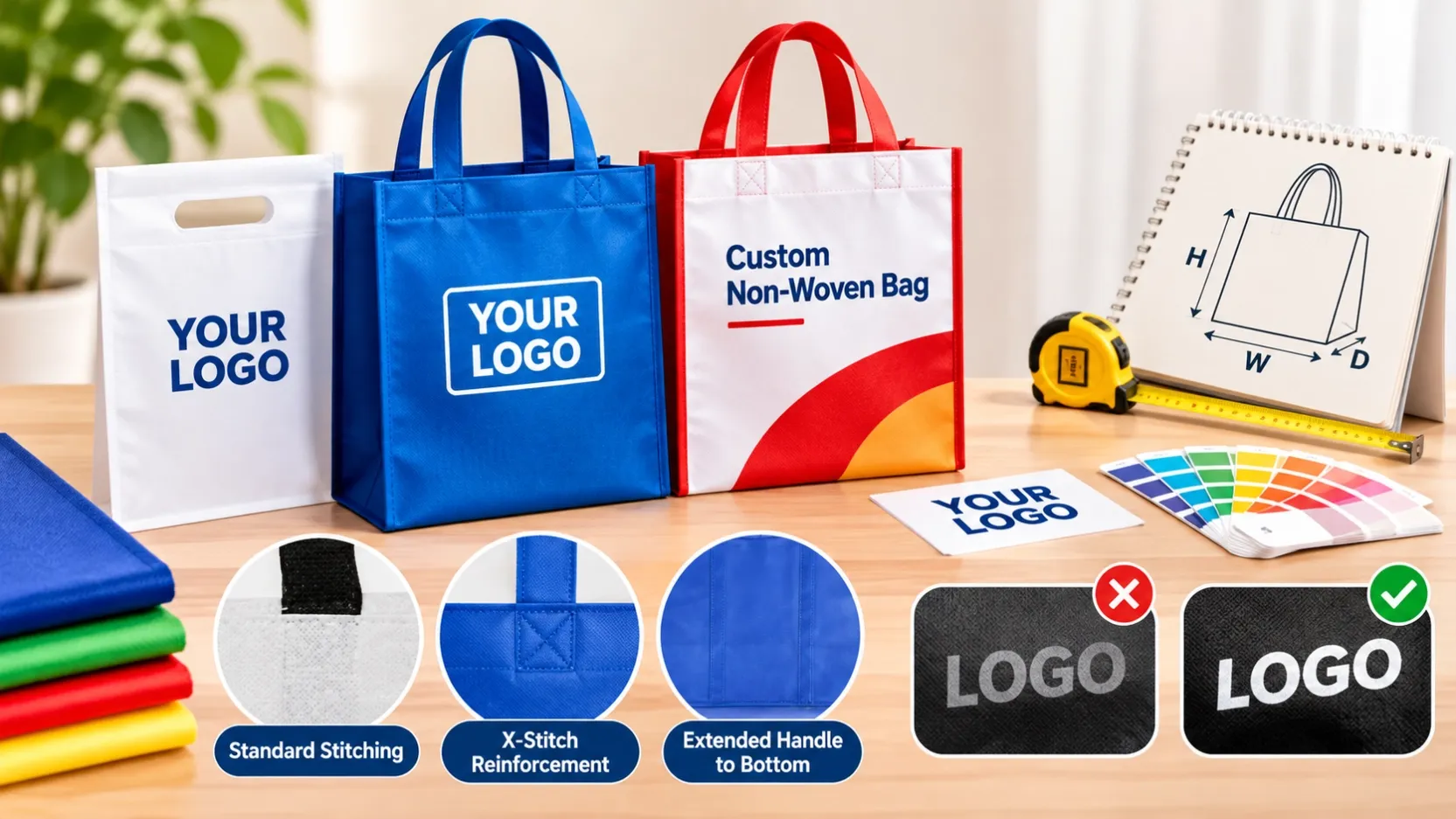
- Practical Carrying Performance: Properly designed non-woven bags can be suitable for groceries, clothing, promotional materials, and other everyday shopping needs. Reinforced stitching or appropriate heat-sealed construction can help improve the strength of key areas.
- Moisture Resistance: Non-woven polypropylene fabric offers some resistance to moisture compared with ordinary paper. Laminated non-woven bags provide an additional surface barrier and are commonly used for shopping and selected packaging applications.
The right construction should always be selected according to the intended use of the bag.
2. Long-Term Brand Exposure and Reuse Value
A custom non-woven bag may continue to promote your brand beyond the original purchase because customers can reuse it for shopping, storage, travel, and everyday activities.
Unlike packaging designed primarily for a single transaction, a reusable bag has the potential to generate repeated brand exposure.
Consider the difference:
- Paper Bag: Often used for immediate shopping, gifting, or takeaway packaging.
- Non-Woven Bag: Can be reused for multiple shopping trips and everyday purposes, depending on its construction and care.
Although a custom non-woven bag may have a higher initial cost than a basic paper bag, repeated use can help spread that cost across more customer interactions.
This makes non-woven bags an attractive option for retailers and brands looking to combine practical packaging with longer-term brand visibility.
Conclusion: Choosing the Right Bag for Your Business
Ultimately, the best choice depends on your products, customers, budget, and brand objectives.
- Choose Paper Bags when: Your priority is elegant presentation, gifting, boutique retail, or convenient packaging for dry and lightweight products.
- Choose Non-Woven Bags when: Your goal is repeated use, practical everyday carrying, promotional visibility, and longer-lasting retail packaging.
As a custom bag manufacturer, SHOPPING BAG CO. offers both paper and non-woven bag solutions to meet different retail and packaging requirements.
Pro Tip: Consider a Hybrid Packaging Strategy
Many retailers can benefit from using both types of bags.
Paper Bags work well for smaller, delicate, or premium items such as jewelry, pastries, and gifts, while Non-Woven Bags are suitable for larger purchases and customers who may reuse their shopping bags.
Using both options allows your business to match the packaging to each product while maintaining a consistent brand identity.
Ready to find the right packaging for your business?
Contact us to discuss your paper and non-woven bag requirements, including sizes, materials, custom printing, and order quantities.
Let's find the right packaging solution for your brand.