Packaging Insights
One-Stop Sourcing for Custom Bags: Benefits for Retail Brands
Discover how one-stop sourcing helps retail brands simplify bag procurement, improve color coordination, reduce administrative work, and optimize shipping across multiple packaging products.
Efficiency is increasingly important in today's global retail supply chain.
As brands face growing pressure to manage costs, maintain product quality, and coordinate multiple packaging requirements, working with too many suppliers can create unnecessary complexity.
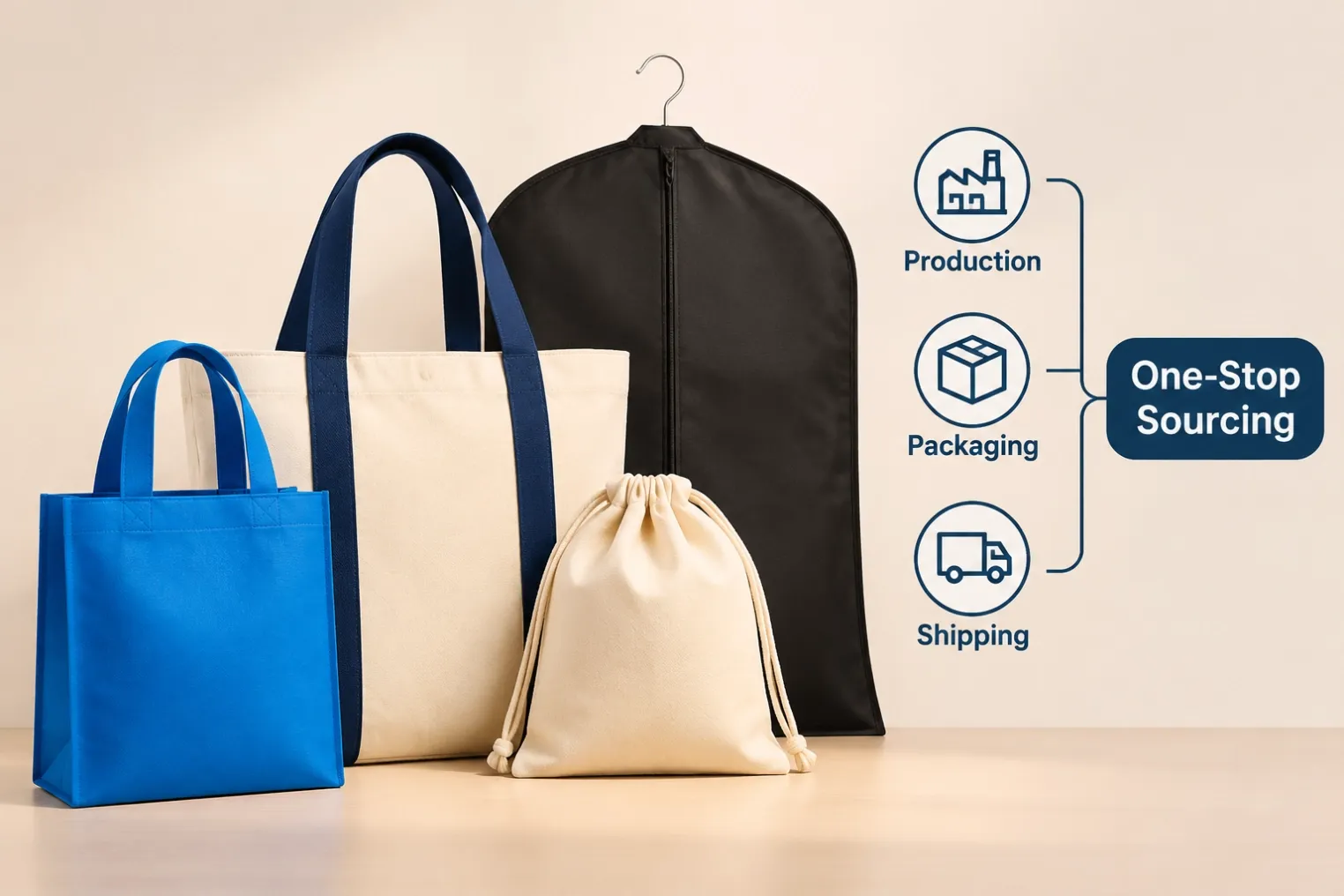
One solution is One-Stop Sourcing.
While we have previously explored why brands are switching to functional packaging sets for a better customer experience, another important question is how to manage the production and supply of different packaging products efficiently.
Here is why consolidating your packaging sourcing can be a smart strategic move for retail brands.
1. Reducing Supply Chain Fragmentation
Managing multiple factories—one for Non-Woven Totes, another for Cotton Pouches, and a third for Garment Covers—can create additional administrative and logistical challenges.
These often include:
- Administrative Work: Managing multiple quotations, orders, invoices, production schedules, and shipments.
- Color Coordination: Different materials and printing processes can produce variations in brand colors across different products.
- Logistics Costs: Shipping smaller batches separately can increase transportation and handling expenses.
The Strategic Advantage:
Working with one sourcing partner helps centralize communication and coordinate different packaging requirements.
It also makes it easier to manage brand colors across different products. Although materials and printing processes may affect the final appearance, reviewing samples together helps buyers achieve a more consistent brand presentation.
2. Integrated Packaging: From Concept to Customer
A cohesive brand experience often involves more than one type of packaging.
For example, a fashion retailer may use:
- A Garment Cover to protect a premium coat.
- A matching Cotton Drawstring Bag to package accessories such as belts or buttons.
- A Canvas Tote to present the purchase to the customer.
When these products are coordinated through one manufacturer, buyers can simplify communication, align product specifications, and manage the overall packaging presentation more efficiently.
This approach is particularly useful for brands that need multiple bag styles, materials, and sizes while maintaining a consistent visual identity.
3. Logistics Efficiency: Making Better Use of Container Space
Shipping efficiency is another important consideration when sourcing multiple packaging products.
When different products are purchased from separate suppliers, buyers may need additional warehousing, consolidation arrangements, or multiple shipments.
A coordinated sourcing and loading plan can help improve container utilization.
The Traditional Approach:
- Goods from different suppliers arrive at different times.
- Additional warehouse handling may be required.
- Smaller shipments may result in unused container space.
The One-Stop Approach:
- Coordinate production schedules across different bag categories.
- Plan carton dimensions and loading arrangements together.
- Combine suitable products in one shipment when quantities and schedules allow.
- Use available container space more efficiently while respecting weight and loading requirements.
For example, lighter non-woven bags and denser cotton or canvas products may be arranged together according to their carton sizes, weights, and loading requirements. Actual loading arrangements should also consider carton strength, weight distribution, and container safety requirements.
The Result:
Better container utilization can help reduce unnecessary shipping expenses and potentially lower transportation costs per unit. It may also reduce transportation-related emissions per unit when fewer or better-utilized shipments are needed.
4. Greater Flexibility in a Changing Market
Retail packaging requirements can change as customer preferences, product needs, and local regulations evolve.
A one-stop sourcing partner makes it easier to review alternative materials and packaging options without starting the supplier selection process from scratch.
For example, a retailer may need to consider different options such as:
- Non-woven bags for everyday shopping and promotional use.
- Cotton or canvas bags for reusable retail packaging.
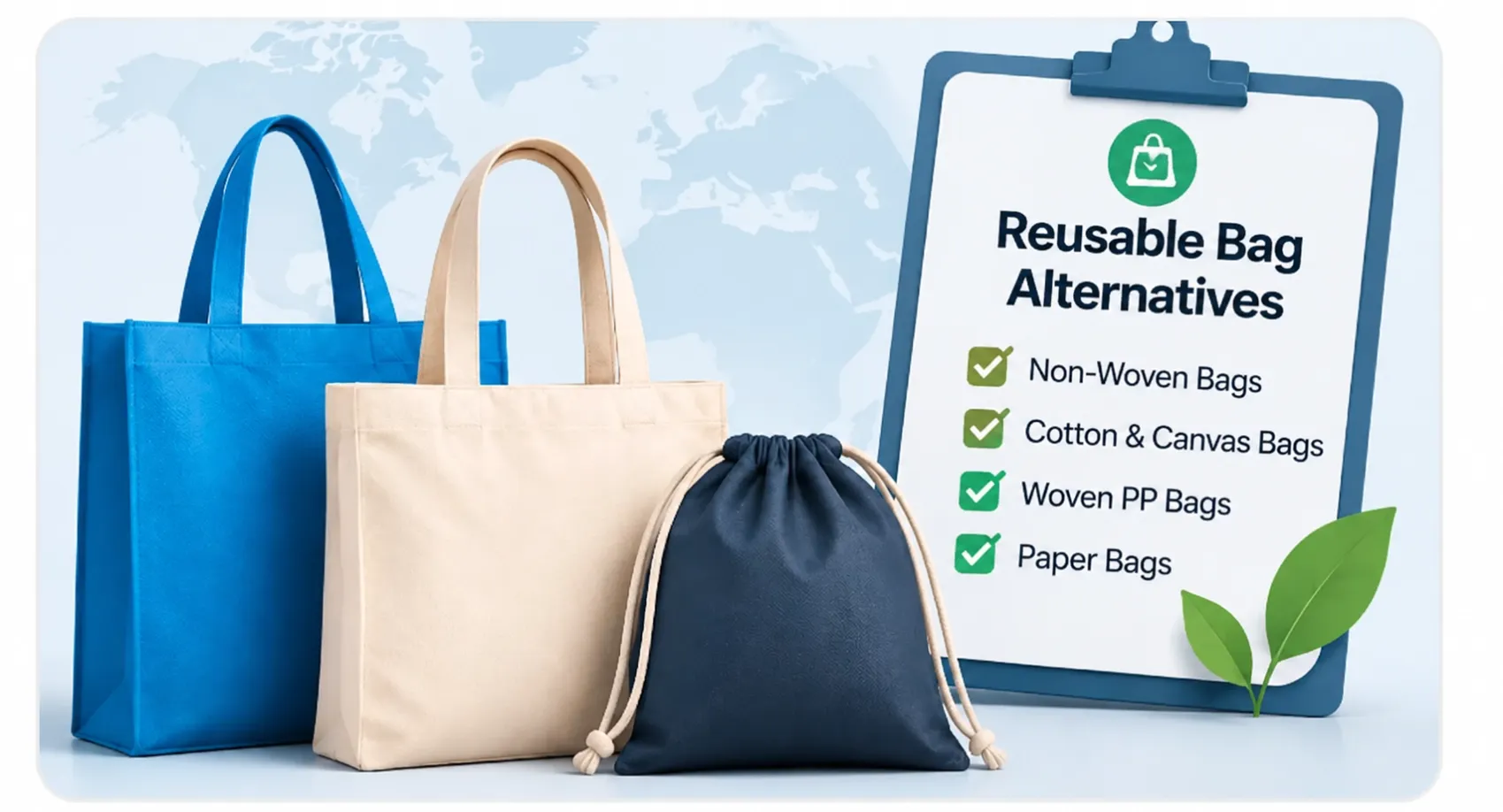
- Paper bags for boutique retail, gifting, and takeaway applications.
Each material has different characteristics, costs, and environmental considerations.
When regulations or customer expectations change, buyers should review the applicable requirements and select materials accordingly.
Having one main point of contact can make this process more efficient and help brands respond to changing packaging needs.
Conclusion: A Smarter Way to Manage Packaging Sourcing
The most efficient packaging strategy is not necessarily about finding the cheapest individual product. It is about managing product quality, communication, production, and logistics as part of a coordinated process.
One-stop sourcing can help retail brands:
- Simplify supplier communication.
- Coordinate packaging styles and brand presentation.
- Reduce unnecessary administrative work.
- Improve shipping and container planning.
- Respond more flexibly to changing packaging requirements.
At SHOPPING BAG CO., we offer a range of custom bag solutions, helping customers coordinate different packaging products, materials, and specifications through one sourcing relationship.
Ready to streamline your packaging sourcing?
Contact us to discuss your current packaging requirements, product combinations, and shipping arrangements.
Let's find a more efficient packaging solution for your business.